
When it comes to choosing the perfect mattress, you might find yourself stuck between two popular options: pillow top and tight top. You want a mattress that feels just right, supports your body well, and helps you wake up refreshed every morning.
But how do you know which one suits your sleep style best? Understanding the difference between pillow top and tight top mattresses can make all the difference in your sleep quality. Keep reading, and you’ll discover which mattress type matches your needs, so you can finally get the restful night you deserve.
Pillow Top Mattresses
Pillow top mattresses offer an extra layer of softness on top of the mattress. This layer adds cushioning that feels like a soft pillow under your body. Many sleepers choose pillow tops for added comfort and pressure relief. They come in different materials and thicknesses to suit various preferences.
Design And Construction
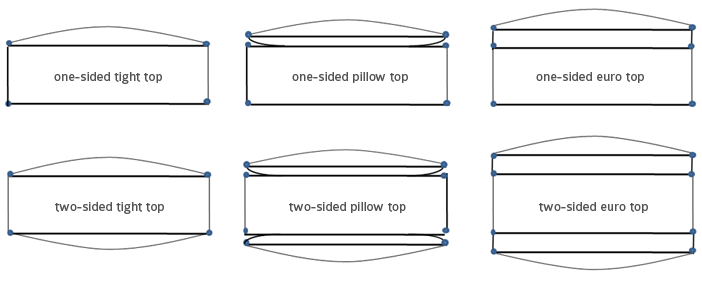
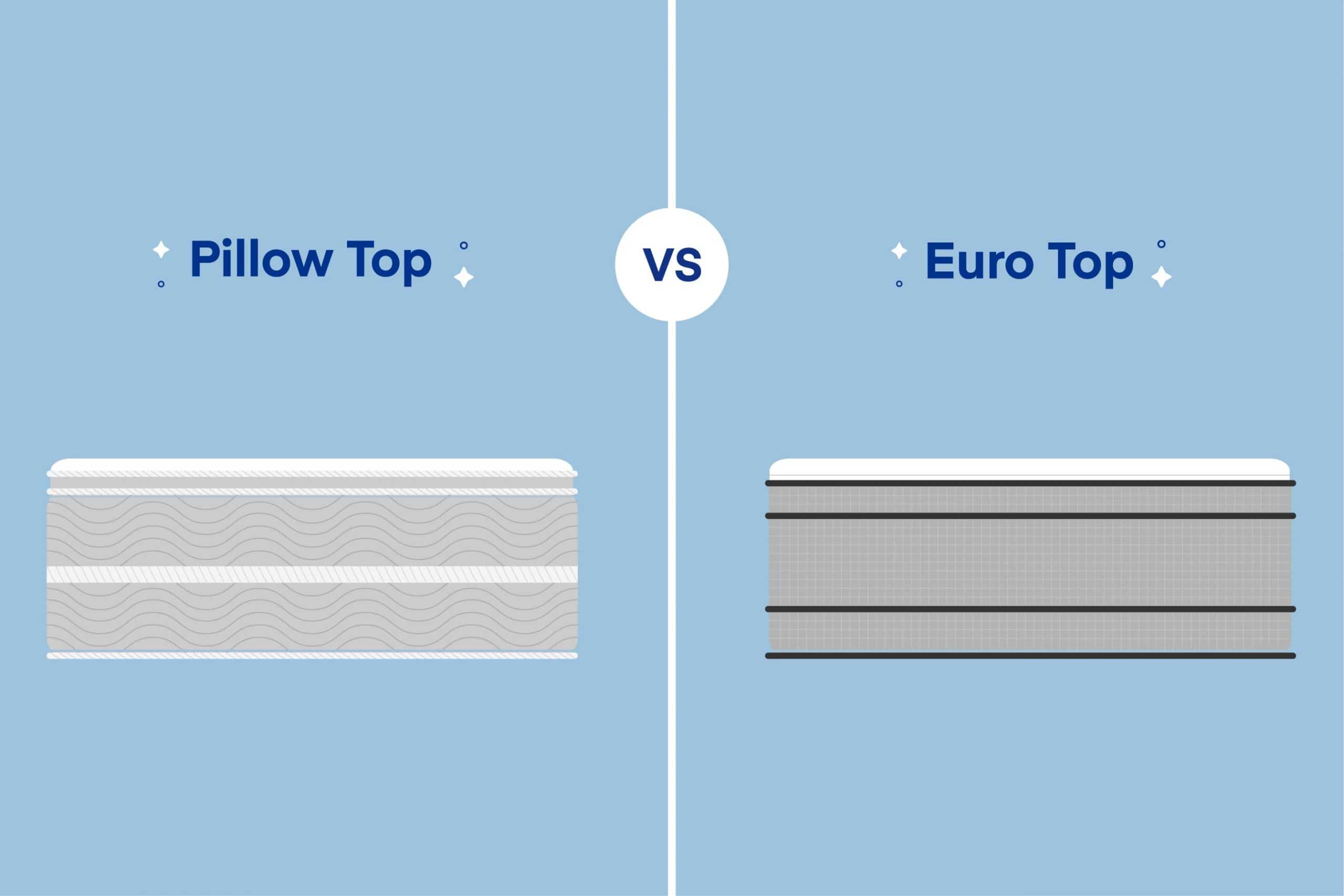
Pillow top mattresses have a sewn-on layer of padding on the mattress surface. This padding can be made of foam, fiberfill, or latex. The top layer is usually a few inches thick. It sits above the mattress’s support core. The core can be innerspring or foam. This design creates a plush feel without losing support.
Comfort Level
Pillow tops provide a soft and cushioned sleeping surface. They help reduce pressure on hips and shoulders. This can ease joint pain and improve sleep quality. The softness varies by mattress model and thickness of the pillow top. They tend to feel softer than tight top mattresses.
Pros And Cons
Pros include extra comfort and pressure relief. Pillow tops can also mask the feel of a firm mattress below. They often improve sleep for side sleepers. Cons are that pillow tops may wear out faster. Some people find them too soft or warm. Cleaning can be harder due to the extra layer.
Ideal Sleepers
Pillow top mattresses suit side sleepers best. They also work well for light to medium weight sleepers. People with joint pain or pressure points benefit from pillow tops. They are less ideal for stomach sleepers. Heavier sleepers may find them less supportive over time.
Credit: blog.originalmattress.com
Tight Top Mattresses
Tight top mattresses offer a sleek and firm sleeping surface without extra padding on top. They have a simple design that appeals to those who prefer a more solid feel. These mattresses focus on support and durability, making them a popular choice for many sleepers.
Design And Construction
Tight top mattresses have a flat, smooth surface without added layers. They often use coils or foam for support. The top layer is thin and tightly stitched. This design keeps the mattress firm and even. The mattress cover is usually made from durable fabric. It helps maintain the mattress shape and firmness over time.
Comfort Level
The comfort of tight top mattresses is firm and stable. They provide strong support for the body. The surface feels solid, not soft or cushioned. This firmness helps keep the spine aligned during sleep. Some sleepers find it less cozy but better for back pain. It suits those who dislike sinking into their mattress.
Pros And Cons
Pros: Tight top mattresses are durable and supportive. They prevent excessive sinking and sagging. Easy to clean because of the flat surface. Often less expensive than pillow top mattresses.
Cons: May feel too firm for side sleepers. Less cushioning can cause pressure points. Not ideal for those who prefer plush softness. Can feel cold without extra padding on top.
Ideal Sleepers
Tight top mattresses suit back and stomach sleepers well. They support proper spinal alignment in these positions. People with lower back pain may benefit from firmness. Sleepers who prefer a simple, firm feel will like them. Those who dislike soft or cushioned mattresses prefer tight tops.
Comparing Comfort And Support
Comfort and support are key factors in choosing between pillow top and tight top mattresses. Each mattress type affects how your body feels during sleep. Understanding their differences helps you pick the right one for restful nights.
Pressure Relief
Pillow top mattresses have an extra layer of soft padding. This layer cushions your body and reduces pressure points. Tight top mattresses feel firmer and offer less cushioning. They provide a stable surface but may not relieve pressure as well. People with joint pain often prefer pillow tops for comfort.
Spine Alignment
Tight top mattresses support the spine with firm, even surfaces. This helps keep the spine straight while sleeping. Pillow top mattresses offer softer support, which can cause the spine to sink slightly. Proper spine alignment is important to avoid back pain. Those with back issues may find tight tops better for support.
Motion Isolation
Pillow top mattresses absorb movement well because of their plush layers. This reduces disturbance from a partner’s movements during sleep. Tight top mattresses transfer motion more easily due to their firmness. If you share a bed, pillow tops may help you sleep more peacefully. Motion isolation is important for light sleepers.
Durability And Maintenance
Durability and maintenance are key factors when choosing between pillow top and tight top mattresses. Both types offer comfort, but they differ in how long they last and how to care for them. Understanding these differences helps you keep your mattress in good shape for years.
Longevity
Pillow top mattresses have an extra layer of padding. This layer can wear out faster than the mattress base. Over time, it may lose its shape and softness. Tight top mattresses have a firmer surface. They tend to keep their shape longer. This makes tight tops more durable in many cases. However, quality materials affect lifespan too. Higher quality mattresses last longer, no matter the style.
Cleaning Tips
Both mattress types need regular cleaning. Use a vacuum to remove dust and dirt weekly. Spot clean stains with mild soap and water. Avoid soaking the mattress. Keep it dry to prevent mold and mildew. Rotate the mattress every few months. This helps prevent uneven wear. Use a mattress protector to guard against spills and stains. Proper care extends mattress life and comfort.
Price And Value
Choosing between pillow top and tight top mattresses often comes down to price and value. Both types offer comfort but differ in cost and benefits. Understanding these differences helps you pick the best mattress for your budget.
Cost Differences
Pillow top mattresses usually cost more than tight top ones. The extra cushioning adds to the price. Tight top mattresses have a simpler design, making them less expensive. Cost varies by brand, materials, and size. Pillow tops offer a softer feel, which many find worth the price. Tight tops suit those who prefer a firmer mattress at a lower cost.
Warranty And Return Policies
Warranty coverage can vary between pillow top and tight top mattresses. Pillow top models often come with longer warranties because of their added layers. Tight top mattresses may have shorter warranty periods but still cover major defects. Return policies depend on the seller, not mattress type. Always check the return terms before buying. Some stores offer trial periods, allowing you to test the mattress risk-free.
Credit: amerisleep.com
Choosing The Right Mattress
Choosing the right mattress is key to a good night’s sleep. It affects comfort, support, and overall health. Knowing the difference between pillow top and tight top mattresses helps in making a smart choice. Each type offers unique benefits suited to different needs. Consider your sleep habits and preferences before deciding.
Sleep Position Considerations
Side sleepers often prefer a pillow top mattress. It cushions shoulders and hips well. Back sleepers might find tight top mattresses better for spine support. Stomach sleepers need a firmer surface to avoid sinking too deep. Match mattress firmness with your main sleep position for comfort.
Health Factors
People with back pain benefit from tight top mattresses. They offer firm support that keeps the spine aligned. Pillow tops provide extra softness, which may relieve pressure points. Those with allergies should check mattress materials. Some pillow tops use more layers that might trap dust.
Personal Preferences
Some like the plush feel of a pillow top mattress. Others enjoy the firm, sturdy feel of a tight top. Noise and motion transfer also matter. Pillow tops often absorb movement better. Budget plays a role too; pillow tops can cost more. Choose what feels best for you and fits your budget.

Credit: nineclouds.ca
Frequently Asked Questions
What Is The Main Difference Between Pillow Top And Tight Top Mattresses?
Pillow top mattresses have an extra layer of padding sewn on top for softness. Tight top mattresses have a firm, flat surface without extra cushioning. This difference affects comfort and support levels for sleepers.
Which Mattress Type Offers Better Support, Pillow Top Or Tight Top?
Tight top mattresses generally provide firmer, more consistent support. Pillow tops focus on softness, which may reduce firm support. Choose tight top if you prefer strong spinal alignment and pillow top for plush comfort.
Are Pillow Top Mattresses Better For Side Sleepers?
Yes, pillow top mattresses are ideal for side sleepers. The extra padding cushions shoulders and hips, reducing pressure points. Tight top mattresses may feel too firm and cause discomfort in these areas.
Do Pillow Top Mattresses Wear Out Faster Than Tight Tops?
Pillow top mattresses can wear out faster due to the extra padding. The soft layer may compress or sag over time. Tight top mattresses tend to be more durable and maintain firmness longer.
Conclusion
Choosing between pillow top and tight top depends on your comfort needs. Pillow tops offer extra softness and cushioning. Tight tops provide firm support and a flat surface. Think about your sleeping style and body support needs. Both types have benefits that suit different preferences.
Take your time to decide what feels best. A good mattress helps you sleep well and feel rested. Your comfort matters most in making the right choice.