
Are you struggling to choose the perfect pillow for a good night’s sleep? When it comes to comfort, down and feather pillows are often the top contenders.
But which one is truly the best for you? Understanding the key differences can make a huge impact on how well you rest each night. Keep reading to discover what sets down and feather pillows apart—and find out which one matches your sleep style perfectly.
Your best sleep is just a few words away.
Materials And Fillings
The materials and fillings inside a pillow affect comfort and support. Down and feather pillows use natural fillings from birds. Each type has unique traits. These traits influence softness, durability, and price. Understanding these differences helps you pick the right pillow for better sleep.
What Makes Down Pillows Soft
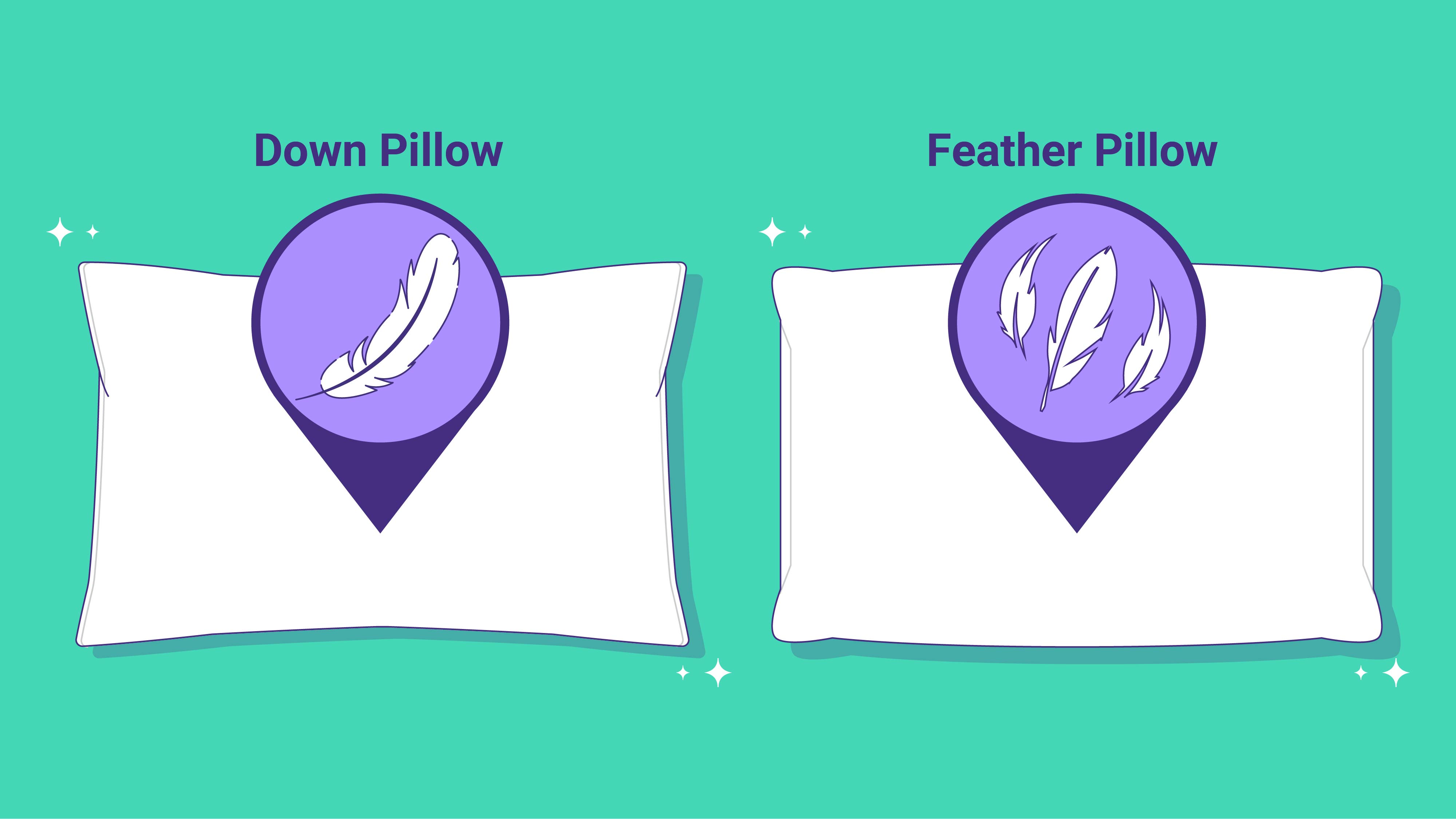
Down pillows contain fine clusters from under the bird’s feathers. These clusters are light and fluffy. They trap air well, which creates softness and warmth. Down feels gentle and molds easily to the head and neck. This quality gives a cloud-like comfort that many people prefer.
Characteristics Of Feather Pillows
Feather pillows have the outer feathers from birds. These feathers are firmer than down clusters. They provide more structure and support but can feel less soft. Feathers have a quill, which adds firmness. Some people like the balance of softness and support they offer.
Comparison Of Fill Quality
Down fill is usually higher quality and more expensive. It offers better insulation and softness. Feather fill is heavier and less expensive. It provides durability and support but less fluffiness. Many pillows combine both to balance comfort and price.
Comfort And Support
Comfort and support are key factors in choosing the right pillow. They affect how well you sleep and how refreshed you feel. Down and feather pillows offer different experiences in softness and firmness. Understanding these differences helps you pick the best pillow for your needs.
How Down Pillows Feel
Down pillows are soft and fluffy. They feel light and cloud-like on your head. The softness allows your head to sink gently. This makes them very comfortable for those who like a plush pillow. Down molds easily to your shape, giving a cozy feel. They rarely feel stiff or hard.
Support Levels Of Feather Pillows
Feather pillows provide more support than down. They have small, firm feathers that create a sturdier base. This helps keep your head and neck aligned. Feather pillows are firmer but still flexible. You can adjust them by fluffing or pressing down. They offer a balance of comfort and support.
Suitability For Different Sleep Positions
Back sleepers often prefer feather pillows for neck support. Side sleepers may like firmer feather pillows to fill the space between head and shoulder. Stomach sleepers usually choose soft down pillows to avoid neck strain. Both types work well for different needs. Choose based on your main sleeping position.
Durability And Maintenance
Durability and maintenance are key factors when choosing between down and feather pillows. Both types require care to stay comfortable and last long. Understanding their lifespan and cleaning needs helps keep your pillow fresh and supportive.
Lifespan Of Down Pillows
Down pillows usually last longer than feather pillows. Quality down can stay fluffy for 5 to 10 years. Proper care extends their life. Over time, down may lose some loft but still provide good support.
Caring For Feather Pillows
Feather pillows need regular fluffing to keep their shape. They may last about 3 to 5 years. Feathers can poke through the fabric, so use a tight pillowcase. Avoid heavy pressure to prevent damage.
Cleaning Tips For Both Types
Wash pillows gently on a delicate cycle with mild detergent. Use cold water to protect the filling. Dry pillows thoroughly to avoid mold. Fluff them while drying to keep loft. Spot clean stains quickly to prevent damage.
Credit: www.sleepadvisor.org
Allergies And Sensitivities
Allergies and sensitivities can affect your sleep comfort. Pillows filled with natural materials like down and feathers may cause reactions in some people. Understanding the allergens and risks helps you choose the right pillow for healthy rest.
Common Allergens In Down
Down is the soft layer beneath feathers on birds. It can contain dust mites, tiny bugs that cause allergies. Down can also hold mold spores if stored in damp places. These allergens trigger sneezing, itchy eyes, and breathing problems.
Feather Pillow Allergy Risks
Feathers have a harder structure but can also cause allergies. They often carry dust, bird dander, and bacteria. Feathers may irritate sensitive skin or airways. People with asthma or hay fever may notice more symptoms with feather pillows.
Hypoallergenic Alternatives
Hypoallergenic pillows reduce allergy risks. Synthetic fills like polyester mimic down softness but resist dust mites. Memory foam pillows avoid common allergens and support the head well. Look for pillows labeled hypoallergenic for safer sleep.
Cost And Value
Cost and value play big roles in choosing the right pillow. Picking between down and feather pillows depends on your budget and how much you want to spend. Both types offer comfort but differ in price and long-term benefits. Understanding their costs helps you decide which pillow fits your needs best.
Price Ranges For Down Pillows
Down pillows usually cost more than feather pillows. Prices start around $50 and can go up to $200 or more. The higher price comes from the softness and quality of down clusters. Premium down pillows provide better comfort and last longer. You pay extra for luxury and durability.
Feather Pillow Affordability
Feather pillows are generally cheaper than down. You can find them for $20 to $70. They still offer good support but feel firmer than down. Feather pillows are a budget-friendly option for those who want comfort without spending too much. They are a practical choice for many sleepers.
Long-term Investment Considerations
Down pillows may cost more upfront but last longer. Their materials resist clumping and keep shape well. Feather pillows might wear out faster and need replacement sooner. Spending more on down can save money over time. Think about how long you want to use the pillow before buying.
Credit: www.sleepjunkie.com
Environmental Impact
Choosing between down and feather pillows affects the environment in many ways. Understanding their impact helps make better decisions. This section explores how these pillows affect our planet.
Sourcing Of Down And Feathers
Down and feathers come from ducks and geese. The way they are collected matters a lot. Some farms use ethical methods and avoid harming birds. Others may use harsh practices that cause pain. Sourcing from responsible farms reduces damage to animal welfare and nature.
Sustainability Practices
Many companies now follow rules to protect the environment. They recycle feathers and down to reduce waste. Some farms support bird habitats and avoid overfarming. Sustainable practices help keep ecosystems balanced. Choosing products from these sources supports better farming methods.
Eco-friendly Pillow Options
Eco-friendly pillows use natural and recycled materials. Some pillows combine down with organic cotton covers. Others use feathers from certified humane farms. There are also synthetic pillows made from recycled plastics. These options lower pollution and save resources.

Credit: downunderbedding.com
Frequently Asked Questions
What Is The Main Difference Between Down And Feather Pillows?
Down pillows are filled with soft undercoating of birds, offering plush comfort. Feather pillows contain outer feathers, providing firmer support and more structure.
Which Pillow Type Is Better For Allergy Sufferers?
Down pillows are usually hypoallergenic and less likely to cause allergies. Feather pillows may trigger allergies due to quill dust and outer feather particles.
Are Down Pillows Warmer Than Feather Pillows?
Yes, down pillows trap more air, providing superior insulation and warmth. Feather pillows are cooler but less effective in retaining heat.
How Long Do Down And Feather Pillows Typically Last?
Down pillows can last up to 10 years with proper care. Feather pillows generally last 5 to 7 years before needing replacement.
Conclusion
Choosing between down and feather pillows depends on your comfort needs. Down pillows feel soft and light, giving gentle support. Feather pillows offer firmer support and last longer. Both pillow types breathe well to keep you cool. Cleaning them properly helps keep pillows fresh and comfy.
Think about your sleeping style and allergies before picking. A good pillow can improve your sleep quality. Rest well with the pillow that suits you best.