
Choosing the right pillow can change the way you sleep—and feel—every single night. If you’ve been torn between a latex pillow and a memory foam pillow, you’re not alone.
Both promise comfort and support, but which one truly fits your needs? Imagine waking up without neck pain, feeling refreshed and ready to take on the day. This guide will help you understand the key differences, so you can pick the perfect pillow for your best sleep ever.
Keep reading—you deserve pillow peace of mind.
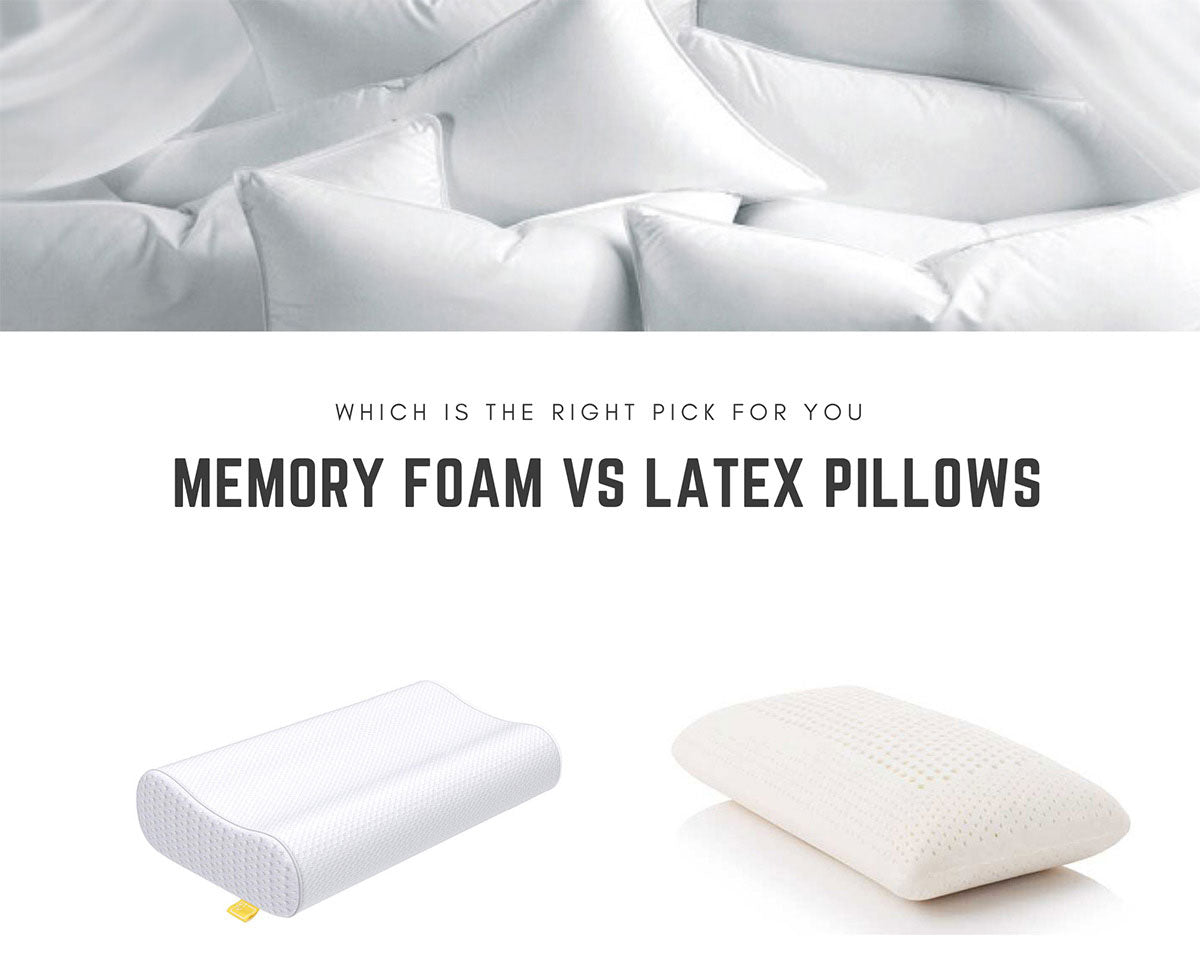
Credit: mmfoam.com
Material Composition
Understanding the material composition of pillows helps you pick the right one for sleep comfort. Latex and memory foam pillows feel different because of their unique materials. These materials affect support, breathability, and durability. Let’s explore how each pillow is made.
Latex Origins And Types
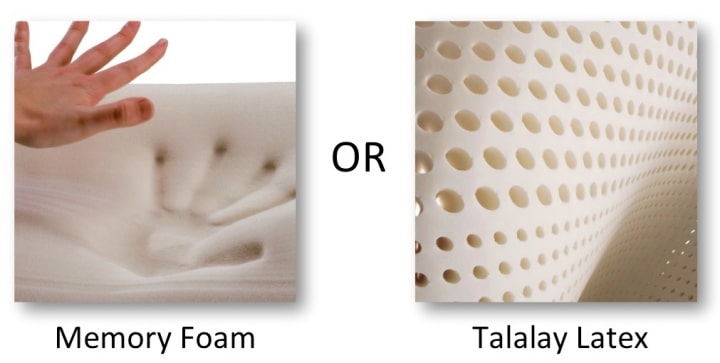
Latex comes from the sap of rubber trees. It is natural and eco-friendly. Some latex is synthetic, made from chemicals. Natural latex is softer and bounces back quickly. It comes in two types: Dunlop and Talalay. Dunlop latex is dense and firm. Talalay latex is lighter and more airy. Both types offer good support and comfort.
Memory Foam Structure
Memory foam is made from polyurethane and special chemicals. It reacts to heat and pressure from your body. The foam softens and molds to your shape. It slowly returns to its original form when you move. Memory foam has an open-cell structure. This design helps with airflow and cooling. Some memory foam pillows include gel for extra cooling.
Comfort And Support
Choosing the right pillow affects how well you sleep and feel the next day. Comfort and support are key factors to consider. Both latex and memory foam pillows offer unique benefits. Understanding these can help you make a better choice for restful nights and healthy sleep.
Pressure Relief
Memory foam pillows mold to your head and neck. They spread weight evenly, reducing pressure points. This helps ease pain in sensitive areas like shoulders. Latex pillows also provide pressure relief but with more bounce. They adjust quickly to movements while keeping support. Both types help lessen discomfort caused by hard surfaces.
Spinal Alignment
Good spinal alignment prevents neck and back pain. Memory foam supports the natural curve of your neck. It keeps your spine straight during sleep. Latex pillows offer firm support that resists sinking too deep. This firmness helps maintain proper neck position. Proper alignment improves sleep quality and reduces stiffness.
Firmness Levels
Memory foam pillows vary from soft to medium firmness. They suit side and back sleepers well. Latex pillows are usually firmer and more resilient. They keep their shape longer without flattening. If you like a pillow that stays supportive all night, latex is a good choice. Softness preference depends on your sleeping style and comfort needs.
Durability And Longevity
Durability and longevity are key factors when choosing between latex and memory foam pillows. A pillow that lasts longer saves money and keeps comfort consistent. Both materials offer different strengths in how they hold up over time. Understanding these differences helps pick the best pillow for lasting use.
Wear And Tear Resistance
Latex pillows resist wear and tear well. The natural rubber material is tough and bounces back from pressure. It does not break down quickly with daily use. Memory foam pillows, on the other hand, can soften and develop indentations faster. They might lose support after months of use. Latex typically outperforms memory foam in durability against regular wear.
Shape Retention
Latex pillows keep their shape longer. They spring back quickly after being compressed. This helps maintain neck support all night. Memory foam molds to the head and neck but can stay compressed for a while. Over time, memory foam may not fully regain its original form. This can reduce the pillow’s effectiveness and comfort. Latex offers better shape retention for lasting support.
Temperature Regulation
Temperature regulation plays a big role in choosing the right pillow. A pillow that stays cool helps you sleep better. It stops overheating and sweating during the night. Different materials handle heat in various ways. Let’s see how latex and memory foam compare.
Breathability Of Latex
Latex pillows are known for their breathability. The natural latex has tiny holes that allow air to flow. This air circulation keeps the pillow cool. It helps prevent heat from building up. Latex also does not trap moisture. This keeps the pillow feeling fresh and dry. Many sleepers find latex pillows comfortable in warm weather.
Heat Retention In Memory Foam
Memory foam pillows often hold heat more than latex. The dense foam can trap body heat inside. This causes the pillow to feel warmer over time. Some memory foam pillows add cooling gels or open-cell designs. These help reduce heat buildup somewhat. Still, memory foam may feel hot for people who sleep hot. It suits those who prefer a warm, cozy pillow.
Allergy And Hygiene
Choosing the right pillow affects allergy and hygiene. A clean, safe pillow helps reduce allergy risks. Latex and memory foam differ in how they handle allergens and cleaning. Understanding these differences can help you pick a healthier pillow for better sleep.
Hypoallergenic Properties
Latex pillows often resist dust mites and mold. Natural latex has antimicrobial qualities. It prevents common allergens from growing. Memory foam also blocks dust mites well. But some memory foam contains chemicals that may irritate sensitive skin. Latex tends to be better for allergy sufferers.
Maintenance And Cleaning
Latex pillows need gentle care. They should be air-dried and spot cleaned only. Latex does not hold moisture, which lowers bacteria growth. Memory foam pillows can trap sweat and oils. They require regular airing and spot cleaning too. Washing memory foam in water can damage its shape. Both pillows benefit from pillow covers to keep them clean longer.
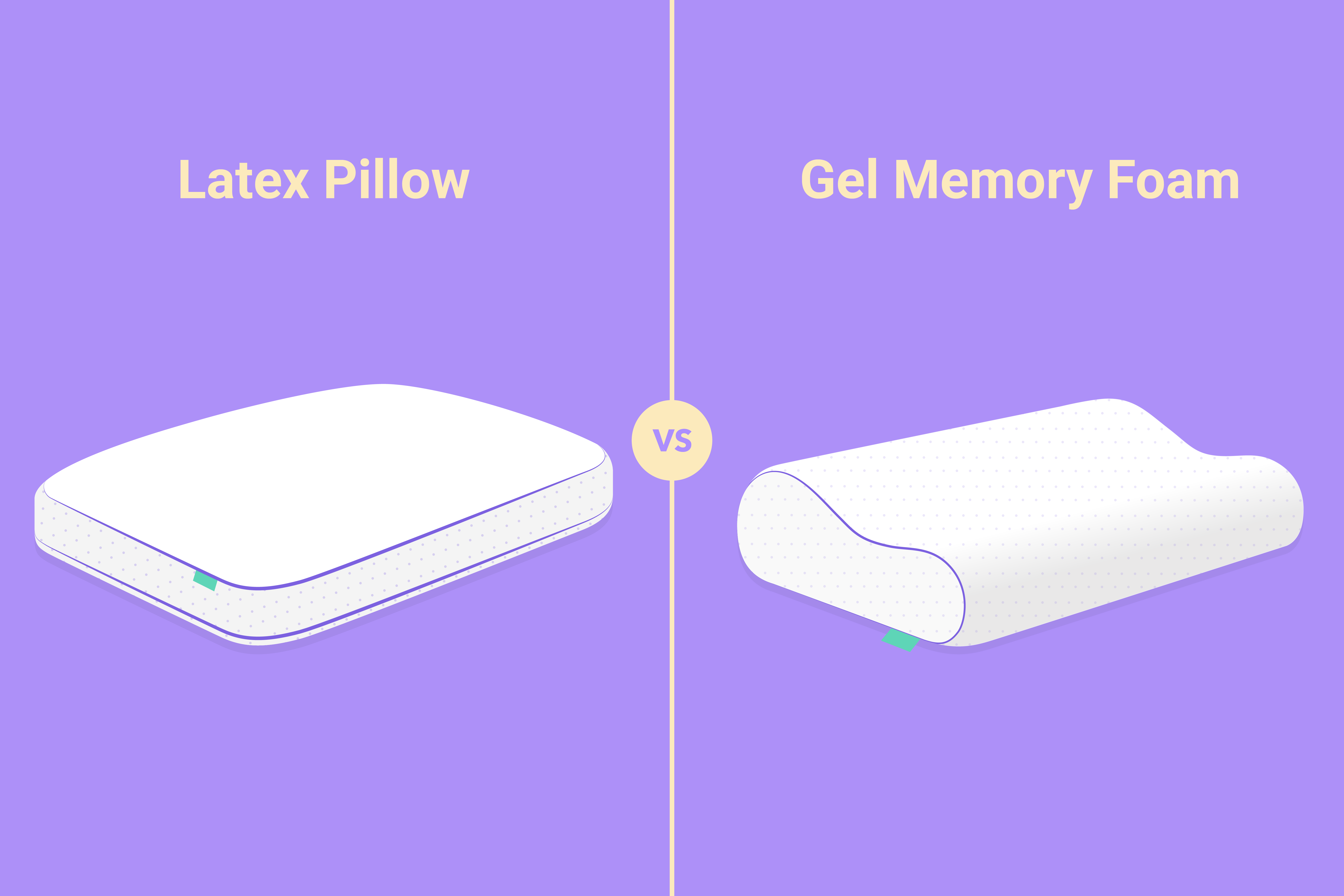
Credit: www.sleepjunkie.com
Environmental Impact
The environmental impact of pillows affects the earth in many ways. Choosing the right pillow means thinking about the materials used and their effect on nature. Some pillows are better for the planet than others. Let’s explore how latex and memory foam compare.
Sustainability Of Materials
Latex pillows often come from natural rubber trees. These trees can be tapped for latex without cutting them down. This process helps keep forests standing and supports wildlife. Natural latex is renewable and grows back each year.
Memory foam is made from petroleum, a non-renewable resource. Its production uses chemicals and energy. This process can release harmful gases into the air. Memory foam relies on fossil fuels that take millions of years to form.
Biodegradability
Natural latex breaks down faster in the soil. It decomposes without leaving harmful residues. This means it causes less pollution when discarded. Latex pillows can return nutrients to the earth over time.
Memory foam takes many years to decompose. It often ends up in landfills, where it stays for decades. The chemicals inside memory foam can harm soil and water. It does not break down easily or safely.
Cost And Value
Choosing between latex and memory foam pillows often depends on cost and value. Both types offer unique benefits but vary in price and durability. Understanding these differences helps make a wise purchase that fits your budget and comfort needs.
Price Comparison
Latex pillows usually cost more upfront than memory foam options. This is due to the natural materials and manufacturing process involved. Memory foam pillows tend to be more affordable and widely available. Budget shoppers often find memory foam easier to buy without spending much. Still, price alone does not show the full value of each pillow type.
Long-term Investment
Latex pillows last longer and resist sagging better. They keep their shape for years, providing consistent support. Memory foam pillows may wear out faster and lose firmness. Replacing them more often can increase total costs over time. Spending more on a latex pillow may save money in the long run. Think beyond the initial price to get the best value.
User Preferences
User preferences play a big role in choosing between latex and memory foam pillows. Each type offers different benefits that suit various needs and tastes. Understanding these can help pick the right pillow for better sleep.
Sleep Positions Compatibility
Latex pillows suit back and stomach sleepers well. They keep the head and neck aligned without sinking too much. Memory foam pillows fit side sleepers best. They contour closely to the body, filling gaps around the neck.
Both types support the head, but the feel differs. Latex is bouncy and firm. Memory foam is soft and molds to shape. Knowing your sleep position helps decide which pillow feels right.
Personal Comfort Choices
Some prefer the cool, breathable nature of latex. It stays fresh and resists dust mites. Others like memory foam for its pressure relief and softness. It cushions the head gently, reducing aches.
Latex feels springy, while memory foam feels dense. Choose based on how firm or soft you like your pillow. Personal comfort depends on touch and support preferences.
Credit: pillo1.com
Frequently Asked Questions
What Are The Main Differences Between Latex And Memory Foam Pillows?
Latex pillows offer natural bounce and breathability, while memory foam molds to your head shape. Latex is cooler, more durable, and hypoallergenic. Memory foam provides better pressure relief but can retain heat. Your choice depends on comfort preference and sleeping style.
Which Pillow Is Better For Neck Pain, Latex Or Memory Foam?
Memory foam pillows usually provide better neck support due to their contouring ability. Latex pillows also support the neck but feel firmer. For chronic neck pain, memory foam’s pressure relief often helps more. However, personal comfort and pillow firmness matter most.
Are Latex Pillows More Durable Than Memory Foam?
Yes, latex pillows generally last longer than memory foam. Latex resists sagging and maintains shape for years. Memory foam can soften and lose support over time. Durability makes latex a cost-effective option despite a higher upfront price.
Do Latex Or Memory Foam Pillows Sleep Cooler?
Latex pillows sleep cooler as they allow better air circulation. Memory foam tends to trap heat due to its dense structure. If you sleep hot, latex pillows or ventilated memory foam with cooling gel are better choices.
Conclusion
Choosing between latex and memory foam pillows depends on your comfort needs. Latex offers firm support and stays cool all night. Memory foam molds to your head and neck, easing pressure points. Both types improve sleep quality in different ways.
Think about your sleeping style and allergies before deciding. A good pillow helps you wake up refreshed and pain-free. Take your time to find the one that suits you best. Sweet dreams start with the right pillow choice.