
Choosing the right pillow can make a huge difference in how well you sleep and how refreshed you feel each morning. You might be wondering whether a feather pillow or a foam pillow is better for your needs.
Both have their own benefits, but which one truly suits your sleeping style and comfort preferences? Keep reading to discover what sets these two popular pillow types apart and find out which one could be the key to your best night’s sleep yet.
Your perfect pillow is closer than you think.
Credit: www.sleepjunkie.com
Feather Pillows
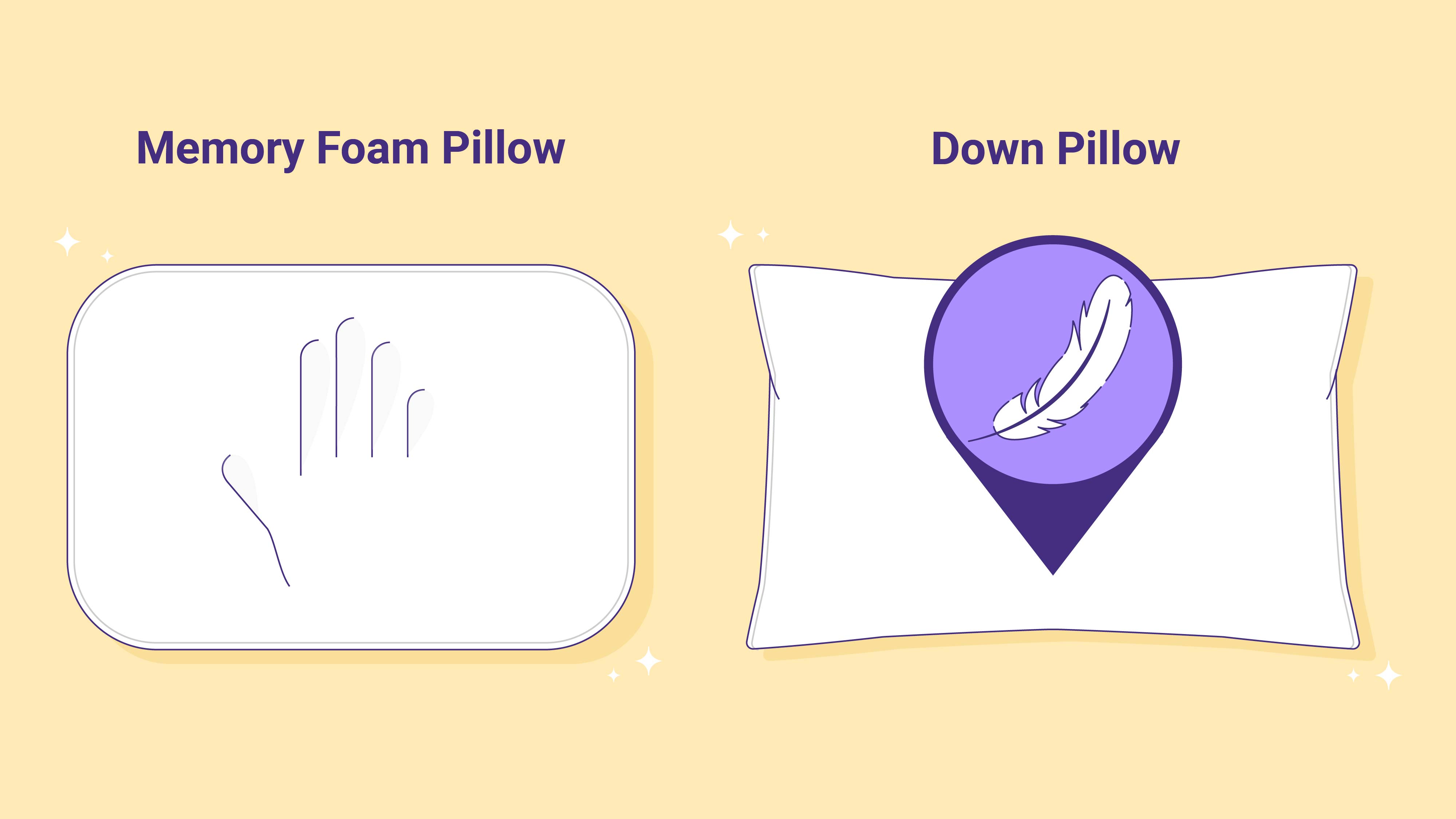
Feather pillows have been a popular choice for many sleepers. They offer a soft and natural feel. People enjoy their lightweight and gentle comfort. Feather pillows have unique qualities that set them apart from foam pillows. Understanding these qualities helps in choosing the right pillow for better sleep.
Materials And Construction
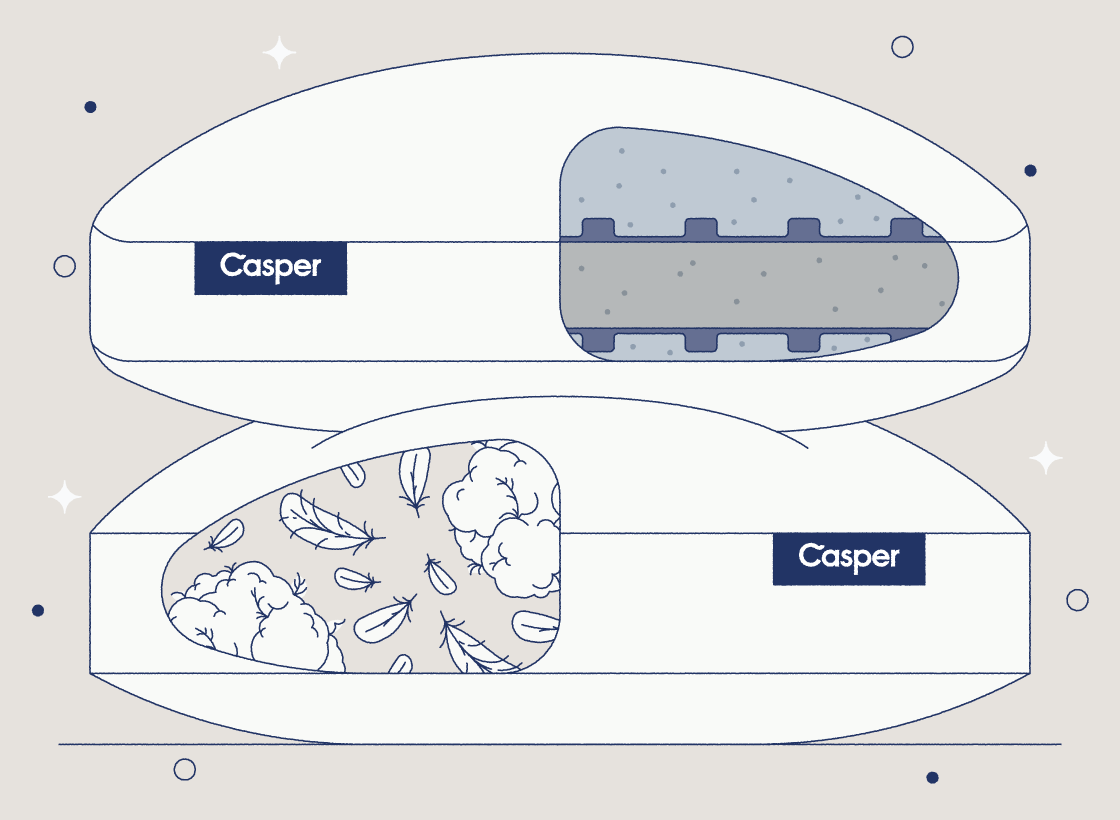
Feather pillows are filled with small feathers from ducks or geese. These feathers provide softness and some support. The outer cover is usually made of cotton or a similar fabric. It keeps feathers inside and feels smooth on the skin. Some pillows mix feathers with down for extra fluffiness.
Comfort And Support
Feather pillows feel soft and mold easily to the head. They offer gentle support but may not hold shape well. They allow good air flow, keeping the pillow cool. People who like a plush pillow often prefer feathers. They can be fluffed to adjust comfort during the night.
Durability And Maintenance
Feather pillows last several years with proper care. They need regular fluffing to maintain shape. Washing feather pillows requires gentle handling to avoid damage. Some prefer dry cleaning to keep feathers in good condition. These pillows may lose feathers over time, which can cause small messes.
Ideal Sleepers
Feather pillows suit those who like soft, light pillows. Side and back sleepers often enjoy the gentle support. People who overheat at night like their breathability. They may not be ideal for those needing firm neck support. Allergy sufferers should check for hypoallergenic options before buying.
Foam Pillows
Foam pillows offer a unique blend of comfort and support. They adjust to your head and neck shape. This makes them popular for many sleepers. Foam pillows come in different types and qualities. Understanding these helps you pick the best one for restful sleep.
Types Of Foam
Memory foam is the most common type. It molds to your body and relieves pressure. Latex foam is natural and bounces back quickly. It also resists dust mites and mold. Polyurethane foam is cheaper but less durable. Each type has different firmness and feel.
Comfort And Support
Foam pillows offer firm support. They keep your neck aligned with your spine. This helps reduce pain and stiffness. Memory foam adapts to your shape for personalized comfort. Foam pillows also reduce tossing and turning at night.
Durability And Maintenance
Foam pillows last longer than many other types. High-quality foam resists flattening over time. They do not need frequent fluffing. Cleaning is simple; spot clean with a damp cloth. Some foam pillows have removable covers for washing.
Ideal Sleepers
Foam pillows suit side and back sleepers best. They support neck curves well in these positions. People with neck or shoulder pain find relief using foam. Those who prefer firm pillows also benefit. Foam may not be ideal for stomach sleepers.
Comfort Comparison
Choosing the right pillow affects your sleep quality deeply. Comfort plays a big role in this choice. Comparing feather pillows and foam pillows helps you find which suits you best. Both types offer unique comfort features. Understanding these features can improve your sleep experience.
Softness And Feel
Feather pillows are soft and fluffy. They mold easily to your head shape. This makes them feel light and cozy. Foam pillows are firmer. They offer strong support for your neck and head. Some foam pillows have a soft cover to add comfort. Softness depends on your personal preference.
Temperature Regulation
Feather pillows let air flow well. This helps keep your head cool at night. They do not trap heat easily. Foam pillows often hold heat inside. This can make you feel warm while sleeping. Some foam pillows have cooling gels to reduce heat. Overall, feather pillows cool better.
Allergy Considerations
Feather pillows can cause allergies for some people. Dust mites and feathers may trigger reactions. Foam pillows are hypoallergenic. They resist dust mites and allergens well. Foam is better for allergy sufferers. Keep pillows clean to reduce allergy risks.
Credit: casper.com
Support And Health Benefits
Choosing the right pillow affects your health and sleep quality. Support and health benefits vary between feather and foam pillows. Understanding these differences helps you pick the best pillow for your needs.
Spine Alignment
Foam pillows often provide firm support that keeps your spine straight. They mold to your head and neck shape, maintaining natural alignment. Feather pillows are softer and may not hold the spine as well. Poor alignment can cause stiffness and discomfort in the morning.
Pressure Relief
Foam pillows distribute weight evenly to ease pressure points. This reduces stress on your shoulders and neck. Feather pillows offer gentle cushioning but may compress too much under weight. Less support can increase pressure on sensitive areas during sleep.
Pain Reduction
Firm foam pillows help reduce neck and back pain by supporting proper posture. They prevent muscles from straining overnight. Feather pillows feel cozy but might not prevent pain caused by poor support. Choosing a pillow that fits your pain needs matters for restful sleep.
Durability And Care
Durability and care are important factors when choosing between feather and foam pillows. Both types need proper attention to last longer. Understanding their cleaning needs and lifespan helps in making a smart choice. Also, knowing the cost-effectiveness can save money over time.
Cleaning Tips
Feather pillows need gentle cleaning. Use a mild detergent and hand wash or dry clean. Avoid machine washing as it can damage feathers. Foam pillows require spot cleaning only. Use a cloth with mild soap and water to clean stains. Never soak foam pillows in water. Let both pillows air dry completely before use.
Lifespan Expectations
Feather pillows usually last 3 to 5 years. Their soft feathers can flatten with time. Foam pillows often last 5 to 7 years. Memory foam holds shape better for longer. Proper care can extend the life of both pillow types. Replace pillows when they lose support or feel uncomfortable.
Cost-effectiveness
Feather pillows cost less upfront but need more care. Their shorter lifespan may lead to frequent replacements. Foam pillows cost more initially. They offer longer use and better support. Choosing the right pillow depends on your budget and care routine. Consider long-term value, not just the price.
Credit: amerisleep.com
Choosing The Right Pillow
Choosing the right pillow affects your sleep quality and health. Pillows support your head and neck all night. The right choice depends on many factors. Feather and foam pillows offer different benefits. Understanding your needs helps pick the best one.
Sleep Position Preferences
Your sleep position guides pillow choice. Side sleepers need firm support to keep the neck aligned. Foam pillows keep shape well for side sleepers. Back sleepers benefit from medium support. Feather pillows offer soft comfort that adjusts easily. Stomach sleepers need thin pillows to avoid neck strain. Feather pillows can compress more than foam.
Personal Comfort Needs
Comfort is personal and important. Feather pillows feel soft and fluffy. They adjust shape quickly with movement. Foam pillows provide steady support and contour to your head. Foam can feel warmer than feather. Feather allows better air flow for cooler sleep. Consider allergies; some may react to feathers.
Budget Considerations
Price affects your pillow choice. Feather pillows usually cost less upfront. High-quality feather pillows last longer with care. Foam pillows can be pricier but often last for years. Memory foam options offer extra support but at higher cost. Think about value over time, not just price tag.
Frequently Asked Questions
What Are The Main Differences Between Feather And Foam Pillows?
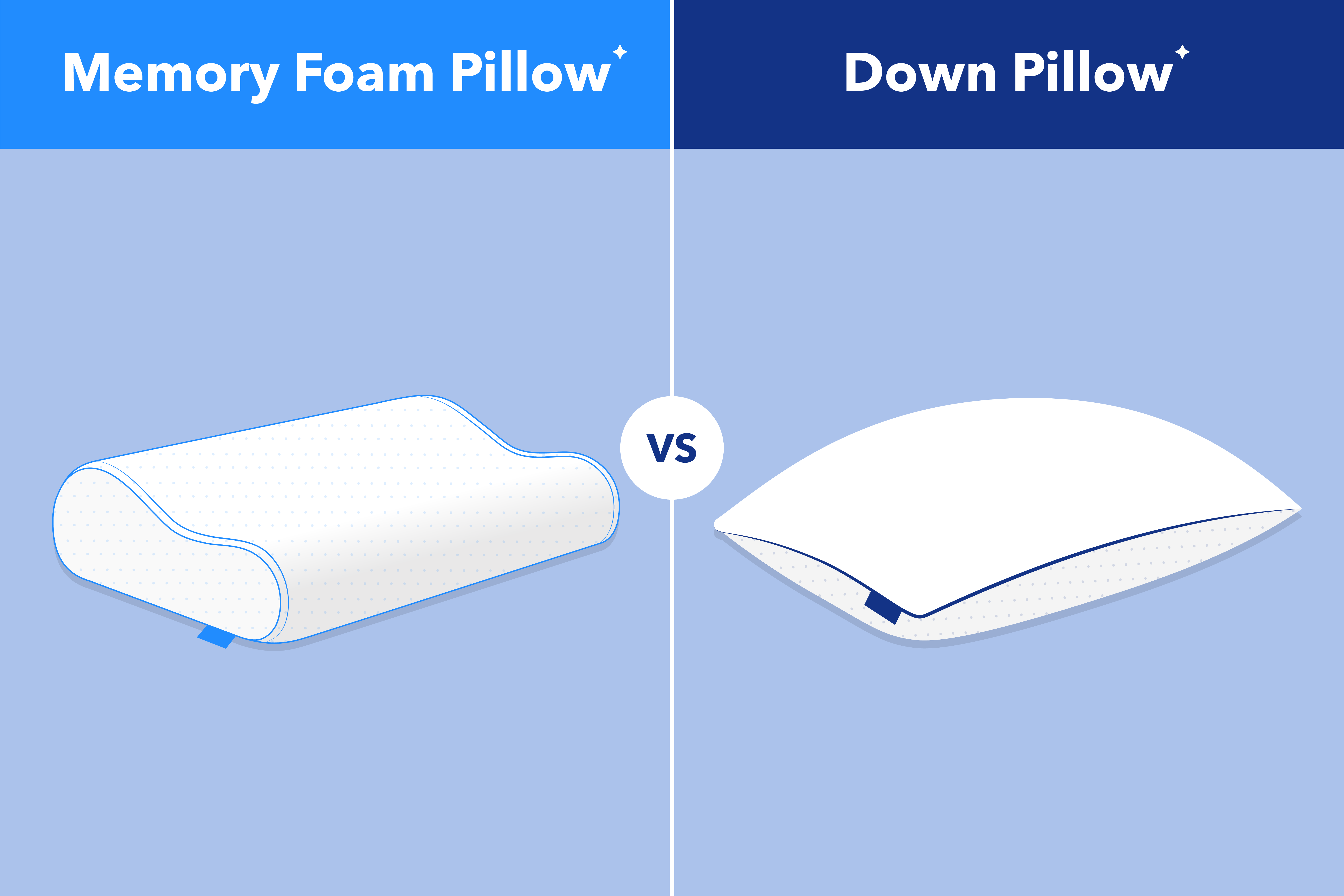
Feather pillows are soft, lightweight, and breathable. Foam pillows offer firm support and contour to your head. Feather pillows provide a traditional feel, while foam pillows help with spinal alignment and pressure relief.
Which Pillow Is Better For Neck And Back Pain?
Foam pillows are better for neck and back pain. They maintain proper spinal alignment and reduce pressure points. Feather pillows lack firm support, which may worsen pain for some users.
How Do Feather And Foam Pillows Affect Sleep Quality?
Feather pillows offer a plush, cozy feel, ideal for side sleepers. Foam pillows provide consistent support, reducing tossing and turning. Your sleep quality depends on your comfort preference and sleeping position.
Are Feather Or Foam Pillows More Durable?
Foam pillows generally last longer than feather pillows. Foam resists flattening and maintains shape for years. Feather pillows may lose fluff and require frequent fluffing to stay comfortable.
Conclusion
Choosing between feather and foam pillows depends on your sleep needs. Feather pillows offer soft support and good airflow. Foam pillows provide firm support and hold their shape well. Think about your comfort and any allergies you may have. Both types have benefits and drawbacks to consider.
Try each pillow type to find what feels best for you. Sleep quality improves with the right pillow choice. Rest well and wake up refreshed every day.