
Are you tired of waking up with a stiff neck or restless sleep? Choosing the right pillow can make all the difference.
But how do you decide between a firm pillow and a soft pillow? Your comfort, support, and overall sleep quality depend on this choice. You’ll discover which pillow type suits your needs best and how it can transform your nights.
Keep reading to find the perfect pillow that will help you wake up refreshed and pain-free every morning.
Benefits Of Firm Pillows
Firm pillows offer many benefits that improve sleep quality and comfort. They provide strong support and keep your head steady. This support helps reduce neck pain and stiffness. Many people find firm pillows better for maintaining good posture while sleeping.
Choosing a firm pillow can help you wake up feeling refreshed. These pillows suit different sleeping positions and last longer than soft pillows. Explore these benefits to see why firm pillows might work well for you.
Support For Neck And Spine
Firm pillows keep your neck and spine aligned during sleep. They prevent your head from sinking too deep. This alignment reduces strain on muscles and joints. Proper support helps avoid neck pain and stiffness. Firm pillows promote a healthy sleep posture every night.
Ideal For Back Sleepers
Back sleepers benefit most from firm pillows. These pillows fill the gap between the neck and mattress. They keep the head and spine level. This prevents uncomfortable bending or twisting. Firm pillows help maintain a neutral spine position while lying on your back.
Durability And Longevity
Firm pillows tend to last longer than soft ones. Their dense fill keeps shape even after long use. They resist flattening and sagging better. This durability means fewer replacements and better value. Investing in a firm pillow can save money over time.
Advantages Of Soft Pillows
Soft pillows offer several benefits that enhance your sleep quality. They provide gentle support that adapts to your head and neck. This helps maintain natural alignment and reduces discomfort. Many sleepers find soft pillows more soothing and relaxing than firm ones. They cushion pressure points and improve overall comfort for a restful night.
Comfort For Side Sleepers
Soft pillows fill the space between the shoulder and head. This keeps the neck in a neutral position. Side sleepers avoid stiffness and pain with soft pillow support. The gentle softness reduces pressure on the ears and cheeks. This creates a cozy and comfortable sleeping environment.
Pressure Relief
Soft pillows spread the weight of your head evenly. This lowers stress on sensitive areas like the neck and shoulders. The cushioning effect helps reduce aches and soreness. Soft pillows mold to the shape of your body for personalized comfort. This leads to less tossing and turning at night.
Breathability And Cooling
Many soft pillows use materials that allow air flow. This helps heat escape and keeps you cool. Breathable pillows reduce sweating during sleep. Soft pillows with cooling features improve comfort in warm rooms. A cool pillow surface helps maintain uninterrupted, deep sleep.
Materials Used In Firm Pillows
Firm pillows are made from materials that keep their shape well. These materials provide strong support for your head and neck. They help maintain proper alignment during sleep. Understanding the types of materials helps you choose the right firm pillow.
Memory Foam
Memory foam molds to your head and neck. It offers firm support and pressure relief. The foam returns to its shape after use. This makes it a popular choice for firm pillows. It also reduces tossing and turning at night.
Latex
Latex is a natural material from rubber trees. It is firm, yet slightly bouncy. Latex pillows stay supportive all night long. They resist dust mites and mold. This makes them a good option for allergy sufferers.
Buckwheat
Buckwheat pillows use hulls as filling. The hulls are firm and adjustable. You can add or remove hulls to change pillow height. They allow good airflow, keeping the pillow cool. Buckwheat pillows offer firm support and durability.
Materials Used In Soft Pillows
Soft pillows use different materials to provide comfort and support. The choice of material affects the pillow’s feel, breathability, and durability. Soft pillows often contain natural or synthetic fillings. Each type has unique benefits and drawbacks. Understanding these materials helps you pick the best pillow for restful sleep.
Down And Feather
Down and feather pillows are popular for their softness. Down comes from the fluffy undercoat of ducks or geese. It traps air, making pillows light and warm. Feather adds slight firmness and support. These pillows mold easily to your head and neck. They are breathable but may need regular fluffing to keep shape.
Polyester Fiberfill
Polyester fiberfill is a common synthetic pillow filling. It is soft, lightweight, and affordable. This material holds its shape well and resists allergens. Polyester pillows are easy to care for and dry quickly. They can feel less breathable than natural fillings but suit those with allergies.
Gel-infused Foam
Gel-infused foam offers soft support with cooling benefits. The gel helps reduce heat build-up during sleep. These pillows conform to your head shape, providing gentle pressure relief. They maintain softness while giving good support. Gel foam pillows suit people who sleep hot or want extra comfort.
How Sleep Position Influences Pillow Choice
Choosing the right pillow depends a lot on how you sleep. Your sleep position affects the support your neck and head need. This helps decide if a firm or soft pillow works best for you.
Each sleep position puts pressure on different parts of your body. The right pillow keeps your spine straight and eases tension. It makes your sleep more comfortable and healthy.
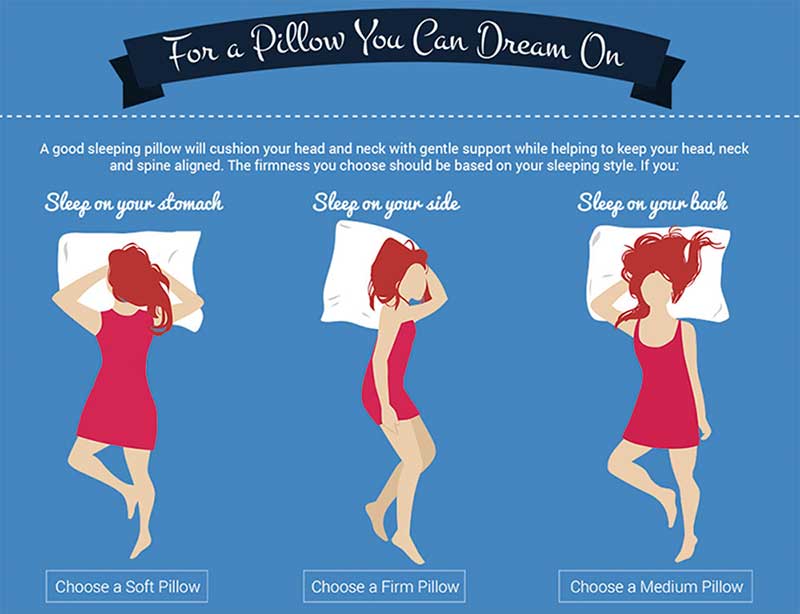
Back Sleepers
Back sleepers need a pillow that supports the natural curve of the neck. A medium to firm pillow works well here. It holds your head and neck in a balanced position. A pillow too soft may cause your head to sink too low. This can lead to neck pain and stiffness.
Side Sleepers
Side sleepers require a firmer and thicker pillow. This keeps the head aligned with the spine. A firm pillow fills the space between the shoulder and head. A soft pillow may not provide enough support. It can cause your head to tilt downward, hurting your neck and shoulders.
Stomach Sleepers
Stomach sleepers need a soft and thin pillow or none at all. This helps keep the neck from bending unnaturally. A firm pillow can push the head upward, causing strain. Soft pillows reduce pressure on the face and neck. They help maintain a more natural posture during sleep.
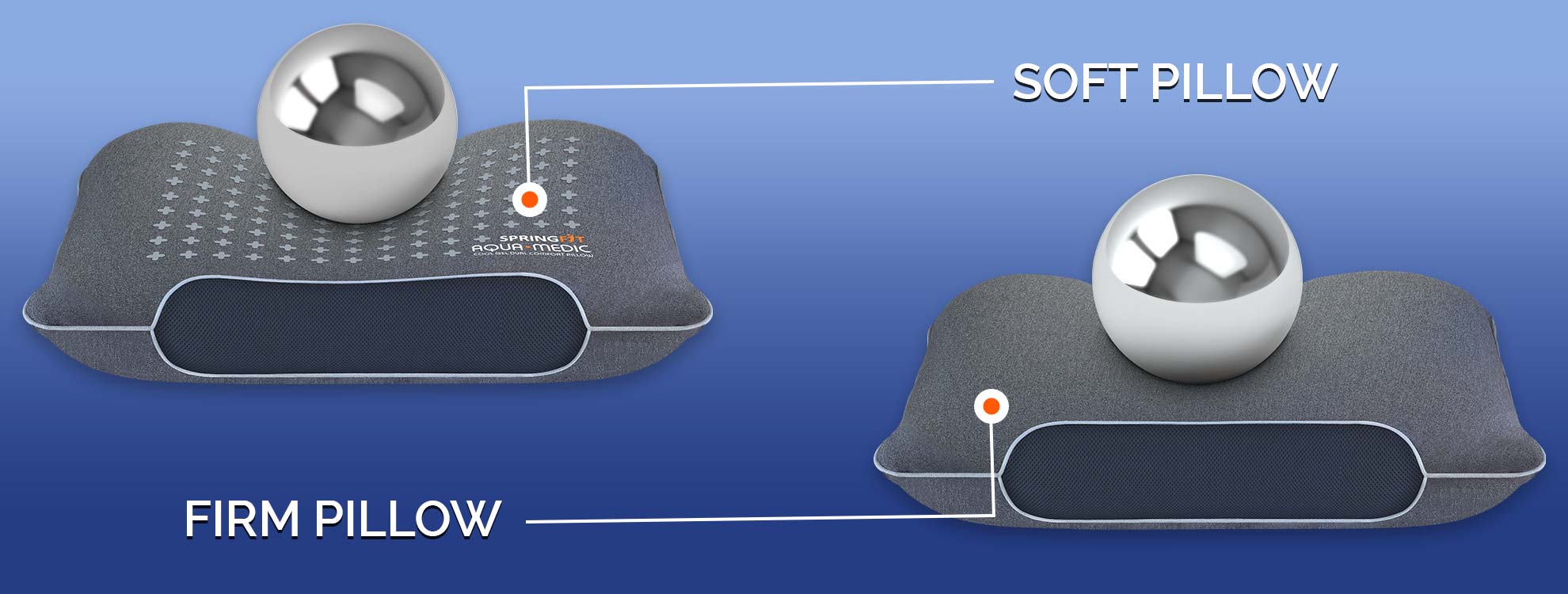
Credit: www.springfit.com
Common Sleep Issues Linked To Pillow Firmness
Pillow firmness plays a big role in sleep quality. The wrong pillow can cause several sleep problems. Choosing between a firm and soft pillow affects your comfort and health. Understanding common issues linked to pillow firmness helps in making a better choice.
Neck Pain
A pillow that is too firm can push your neck up too high. This strain causes neck pain and stiffness. A soft pillow may not support your neck enough. Lack of support leads to neck muscles working too hard. Both extremes can create discomfort and restless nights.
Snoring
Pillow firmness affects breathing during sleep. A pillow that is too soft may cause your head to sink. This blocks your airway and increases snoring. A firm pillow helps keep your head aligned. Proper alignment keeps airways open and reduces snoring sounds.
Allergies
Soft pillows often collect more dust and allergens. These particles can cause sneezing and itchy eyes. Firm pillows usually have dense materials that resist dust better. Choosing a pillow that resists allergens helps reduce allergy symptoms. Clean pillows also improve overall sleep comfort.
Tips For Testing Pillow Firmness
Choosing the right pillow firmness can change your sleep quality. Testing pillows before buying helps find the best fit. Try different methods to check firmness and comfort. This guide shares simple tips for testing pillow firmness.
In-store Testing
Visit a store to feel pillow firmness directly. Press the pillow with your hand to check softness or hardness. Lie down in your usual sleeping position on a store bed. Notice how the pillow supports your head and neck. Spend a few minutes to get a clear idea of comfort.
Trial Periods
Many companies offer trial periods for pillows. Use this time to test firmness at home. Sleep on the pillow for several nights. Pay attention to neck pain or stiffness. Return or exchange the pillow if it feels too firm or too soft.
Adjustable Pillows
Adjustable pillows let you change firmness by adding or removing filling. Try different fill levels to find your comfort. These pillows work well for people unsure about firmness. Adjust them as your preference changes over time.
Care And Maintenance Of Firm And Soft Pillows
Taking good care of firm and soft pillows helps them last longer. Proper maintenance keeps pillows clean and comfortable. Each pillow type needs special care to stay fresh and supportive.
Cleaning Techniques
Firm pillows often need gentle washing. Use a mild detergent and cold water. Avoid harsh chemicals that can damage the filling. Soft pillows can be machine washed, but check the label first. Dry them thoroughly to prevent mold and smells. Spot clean stains quickly with a damp cloth and mild soap.
Fluffing And Reshaping
Firm pillows benefit from light fluffing to keep shape. Use your hands to gently pat and reshape them. Soft pillows need more frequent fluffing. Shake them well every day to keep them full and cozy. Avoid over-fluffing, which can break down the filling.
Replacement Guidelines
Replace pillows every 1 to 2 years. Firm pillows lose support over time and become flat. Soft pillows may get lumpy or lose loft. Check for signs like bad smells or allergies. A fresh pillow improves sleep quality and neck comfort.
Combining Firm And Soft Pillows For Better Sleep
Combining firm and soft pillows can improve your sleep quality. This mix supports your head and neck in a balanced way. It helps reduce pain and boosts comfort through the night.
Layering Techniques
Start with a firm pillow as the base. Place a soft pillow on top for extra cushioning. Adjust the layers to find the right height and support. You can also try placing soft pillows on the side for added comfort.
Customizing Sleep Setup
Use firm pillows for neck support and soft ones for head comfort. Side sleepers may need more firm pillows to keep the spine aligned. Back sleepers benefit from soft pillows under the neck. Change the pillow order based on your sleeping position.
Benefits Of Mixed Firmness
Mixed firmness pillows reduce pressure points and improve spinal alignment. They help keep the airway open, reducing snoring. This pillow combo creates a cozy sleep environment. You wake up feeling refreshed and pain-free.
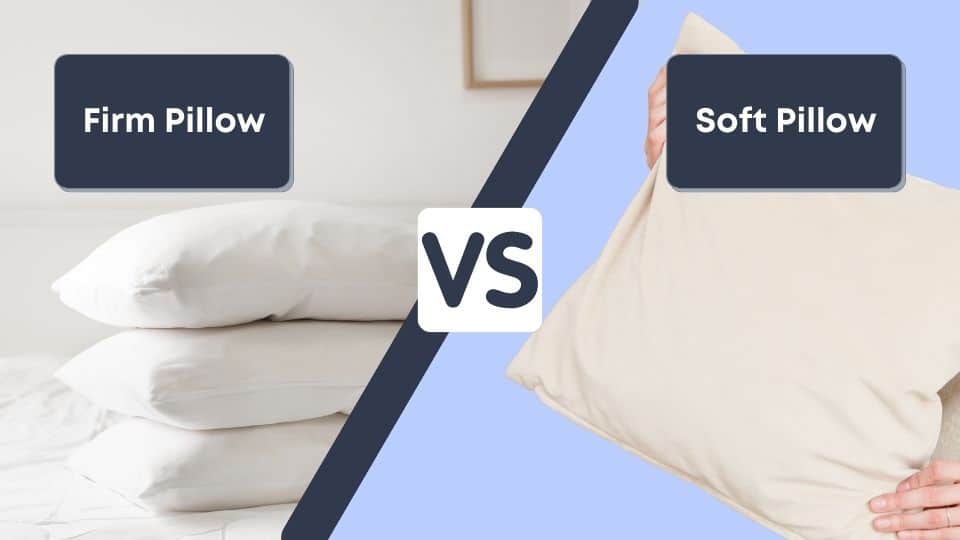
Credit: thespinery.com
Credit: www.plumeriabay.com
Frequently Asked Questions
What Are The Main Differences Between Firm And Soft Pillows?
Firm pillows provide strong support and maintain shape longer. Soft pillows offer gentle cushioning and conform easily to the head. The choice depends on your sleep position and comfort preference for optimal neck alignment and rest.
Which Pillow Type Is Best For Side Sleepers?
Firm pillows are ideal for side sleepers. They keep the head and neck aligned by filling the gap between shoulder and head. Soft pillows may cause neck strain due to insufficient support in this position.
Can Soft Pillows Help With Neck Pain Relief?
Soft pillows can relieve minor neck pain by cushioning pressure points. However, they may not provide enough support for serious pain. Firm pillows are often better for maintaining proper neck posture and reducing pain.
How Does Pillow Firmness Affect Sleep Quality?
Pillow firmness impacts spinal alignment and comfort. Firm pillows support the neck and prevent stiffness. Soft pillows enhance comfort but may cause misalignment if too soft. Choosing the right firmness improves sleep quality and reduces discomfort.
Conclusion
Choosing between a firm and soft pillow depends on your sleep style. Firm pillows offer strong support and keep your neck aligned. Soft pillows feel cozy and mold to your head’s shape. Side sleepers often prefer firm pillows for better spine alignment.
Back and stomach sleepers may find soft pillows more comfortable. Try both types to see what helps you rest best. Good sleep starts with the right pillow choice. Your comfort matters most every night.