
Are you struggling to choose between a nasal mask and a pillow mask for your CPAP therapy? Your comfort and quality of sleep depend heavily on the right choice.
Picking the wrong mask can lead to leaks, discomfort, and restless nights. But which one suits you best? You’ll discover the key differences that can make your nights more peaceful and your mornings more refreshed. Keep reading to find out which mask fits your needs perfectly and transforms your sleep experience.
Nasal Mask Basics
Nasal masks are a common choice for people using CPAP therapy. They cover the nose and help deliver air pressure to keep airways open. Understanding their basics can help users pick the right mask for better comfort and therapy success.
Design And Fit
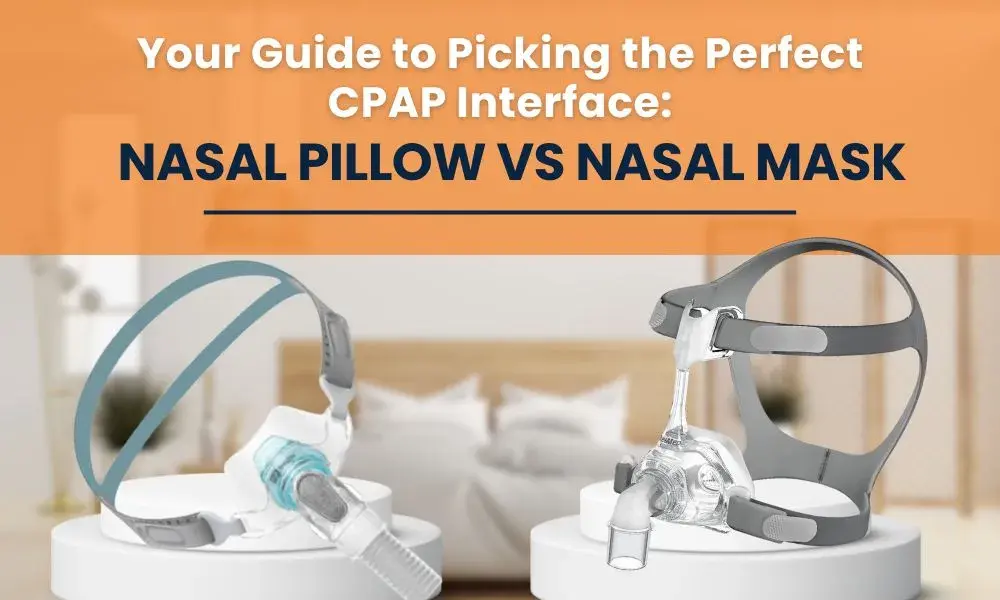
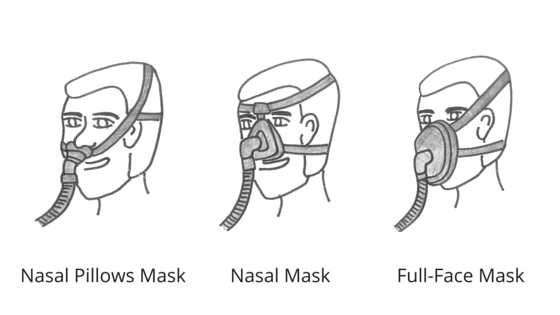
Nasal masks cover the nose fully. They have a cushion that rests on the face to create a seal. Straps hold the mask in place. The design aims to fit snugly without being too tight. Masks come in different sizes to match face shapes. A good fit reduces leaks and skin marks. Users often adjust straps for the best comfort.
Breathing Experience
Nasal masks allow natural mouth breathing if the mouth stays closed. They provide steady airflow directly to the nose. This can feel less bulky than full-face masks. Some users find it easier to sleep on their side with nasal masks. The airflow helps keep airways open during sleep. The mask’s design supports clear breathing without extra noise.
Credit: www.rockinghamcpap.com.au
Pillow Mask Essentials
The pillow mask is a popular choice for many who need CPAP therapy. It offers a unique design that differs from the traditional nasal mask. Understanding its key features helps users choose the right fit for comfort and effectiveness.
This section covers the essential points of the pillow mask, focusing on structure, comfort, airflow, and seal. These factors greatly affect how well the mask works during sleep.
Structure And Comfort
Pillow masks have soft cushions that rest just under the nose. They are smaller and lighter than full nasal masks. This design reduces pressure on the face and allows more freedom of movement.
Many users find pillow masks less bulky and easier to wear. The minimal contact helps prevent skin irritation. The mask’s straps are usually adjustable for a secure fit.
Airflow And Seal
The pillow mask delivers air directly into the nostrils through small cushions. This creates an effective airflow with less air leakage. The seal is gentle but firm, preventing gaps during sleep.
Good airflow helps maintain steady pressure for better breathing. The mask’s design supports a quiet and comfortable sleep environment. Users often report fewer disruptions with pillow masks.
Comfort Comparison
Comfort plays a big role in choosing between a nasal mask and a pillow mask. Both types aim to help with breathing during sleep but feel very different on your face. Understanding their comfort features helps you find the right fit for restful nights.
Material And Cushioning
Nasal masks usually have a soft silicone cushion that fits around your nose. This material is gentle but firm enough to seal air in. Pillow masks use smaller cushions that sit under your nose. These cushions are often made from memory foam or gel, which feel softer and lighter on the skin.
The pillow mask’s cushioning can reduce the feeling of bulk on your face. Nasal masks cover more skin, which some find less comfortable for side sleeping. Pillow masks offer more flexibility with less material touching your face.
Pressure Points And Skin Marks
Nasal masks cover a larger area, which can cause pressure on the bridge of your nose. This pressure sometimes leaves red marks after use. Pillow masks focus pressure under the nose, reducing the chance of marks on the nose bridge.
Both masks have adjustable straps to ease pressure. Pillow masks often cause fewer pressure points because they sit in smaller areas. Nasal masks might feel tighter, especially with longer use.

Credit: www.thecpapshop.com
Impact On Sleep Quality
Sleep quality depends on many factors. The choice between a nasal mask and a pillow mask can affect how well you sleep. Both have unique features that impact comfort and breathing. Understanding these differences helps improve your nightly rest.
Effectiveness In Reducing Apnea
Nasal masks cover the nose fully, providing steady airflow. This helps keep airways open and reduces apnea episodes. Pillow masks sit at the nose base with small cushions. They offer direct airflow but may not seal as tightly. Nasal masks often work better for severe apnea cases. Pillow masks suit mild to moderate apnea and those who feel claustrophobic.
User Sleep Position Compatibility
Sleep position affects mask comfort and performance. Nasal masks can feel bulky for side sleepers. They may cause pressure on the face and disrupt sleep. Pillow masks are smaller and lighter, ideal for side sleepers. They reduce pressure points and allow easier movement. Back sleepers may prefer nasal masks for a secure fit. Each mask type suits different sleeping habits and preferences.
Maintenance And Durability
Maintenance and durability play a big role in choosing between a nasal mask and a pillow mask. Both types need regular care to stay clean and last long. Proper maintenance keeps the mask safe and comfortable for nightly use. Durability affects how often you must buy a new mask or parts. Understanding these factors helps you pick the right mask for your needs.
Cleaning Requirements
Nasal masks require thorough cleaning due to their larger surface area. Clean the mask cushion and frame daily with mild soap and warm water. Pillow masks have fewer parts but need careful cleaning of the pillow and headgear. Rinse all parts well to remove soap residue. Avoid harsh chemicals that can damage the material. Let all parts air dry away from direct sunlight.
Lifespan And Replacement
Nasal masks usually last longer because of their sturdy design. Replace the cushion every 3 to 6 months depending on wear. Headgear and frame may last up to a year. Pillow masks may need more frequent replacement of the pillows, often every 1 to 3 months. The headgear lifespan is similar to nasal masks. Regular checks for cracks or leaks ensure good mask performance.
Credit: www.sleepdr.com
User Preferences And Feedback
User preferences and feedback play a big role in choosing between a nasal mask and a pillow mask. Each type has its own fans and critics. People share their experiences to help others decide. Listening to user reviews helps understand comfort, fit, and ease of use.
Different users focus on different factors. Some want a secure fit. Others care more about breathability. Comfort during sleep is often the top priority. Feedback reveals what users like and dislike about each mask type.
Common Complaints
Many users find nasal masks bulky or tight. Some report feeling pressure on their nose bridge. Pillow masks can cause leaks if not fitted well. A few users say pillows feel less stable. Noise from mask movement is a common issue. Skin irritation appears in both mask types. Adjusting straps can be tricky for some users.
Popular Features
Nasal masks are praised for full nose coverage. They often provide a secure seal. Pillow masks are loved for their lightweight feel. They allow more freedom of movement. Many users like pillow masks for side sleeping. Both types come with adjustable straps. Soft cushions add comfort and reduce marks. Easy cleaning is a key feature for most users.
Choosing The Right Mask
Choosing the right mask for sleep therapy is important. It affects comfort and how well the treatment works. Different masks fit different needs. Picking the best one can improve your sleep quality and overall health.
Two common types are nasal masks and nasal pillow masks. Each has unique features. Understanding these can help you make the best choice for your sleep needs.
Personal Sleep Needs
Your sleep habits matter. If you move a lot at night, a nasal mask may stay in place better. Nasal pillow masks are lighter and less bulky. They suit those who prefer minimal contact on the face.
Consider how you breathe during sleep. Mouth breathers might need a full-face mask instead. Think about your comfort level with straps and pressure points. Your skin sensitivity also affects mask choice.
Consulting Healthcare Providers
Medical advice is key to choosing a mask. Healthcare providers know your health history. They can recommend masks that match your breathing and therapy needs.
Discuss any discomfort from past mask use. Providers can suggest adjustments or different types. They ensure your treatment stays effective and comfortable.
Frequently Asked Questions
What Is The Main Difference Between Nasal Mask And Pillow?
A nasal mask covers the nose entirely, while a nasal pillow fits at the nostrils. The mask offers more stability, and the pillow is less bulky, ideal for minimal contact and comfort.
Which Is Better For Side Sleepers: Mask Or Pillow?
Nasal pillows are often better for side sleepers. They are smaller and cause less pressure on the face, making them more comfortable for side sleeping positions.
Are Nasal Pillows Easier To Clean Than Masks?
Yes, nasal pillows are easier to clean due to their smaller size and fewer parts. Masks require more thorough cleaning to maintain hygiene and function properly.
Can Nasal Masks Cause Skin Irritation?
Nasal masks can cause skin irritation if not fitted properly. Pressure points and prolonged use may lead to redness or sores, so choosing the right size and cushion material is important.
Conclusion
Choosing between a nasal mask and a pillow depends on your comfort. Nasal masks cover the nose fully, offering a secure fit. Pillow masks rest just under the nose, feeling lighter and less bulky. Both types help improve breathing and sleep quality.
Think about your sleeping style and breathing needs. Trying each can show which suits you best. Good sleep starts with the right mask. Simple choices lead to better rest. Your comfort matters most every night.